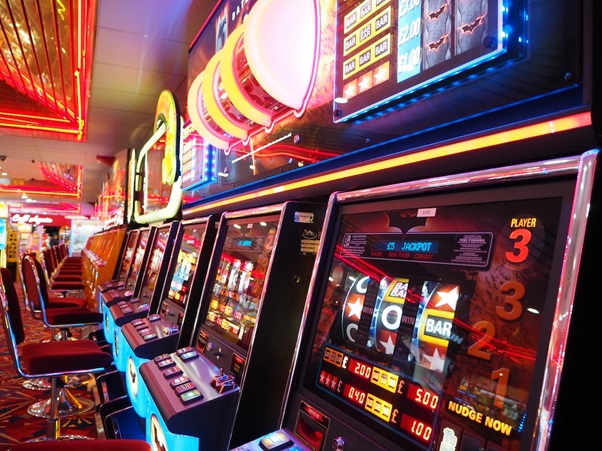

History of Slot Machines in American Casinos
Slot machines in the USA have a rich history dating back to the late 19th century. The first mechanical slot machine, the Liberty Bell, was invented in 1895 by Charles Fey in San Francisco. Over the decades, these machines evolved from simple lever-based designs to complex electronic systems. The 1980s marked a turning point with the rise of video slots, and by the 2000s, online slot machines began to dominate the market. Today, slot machines in the USA are a staple of both land-based and online casinos, offering players a blend of nostalgia and cutting-edge technology.
- The Liberty Bell introduced the concept of slot machines in the USA.
- Electronic slot machines became popular in the 1980s with advanced payout mechanisms.
- Online slot machines gained traction in the 2000s due to internet accessibility and mobile gaming.
How Modern Slot Machines Work
Modern slot machines operate using a combination of random number generators (RNGs) and payline algorithms. The RNG ensures that each spin is independent and unpredictable, while paylines determine winning combinations. Slot machine tips often emphasize understanding volatility and return-to-player (RTP) rates to maximize potential payouts. Players should also note that progressive jackpots, common in online slot machines, accumulate funds from multiple games.
Many myths surround how slot machines work, but the truth lies in mathematical probabilities. For example, the idea that machines are “due” for a win is a slot machine myth debunked by RNG technology. As slot machines in the USA continue to innovate, features like 3D graphics and interactive bonus rounds enhance the gaming experience. For those curious about cryptocurrency integration, https://tribaldesigncr.com/blog/bitcoin-baccarat/ explores how digital currencies are reshaping casino gaming.
Popular Slot Machine Types in the USA
Slot machines in the USA come in various formats to suit different player preferences. Classic three-reel slots appeal to traditionalists, while five-reel video slots offer immersive themes and bonus features. Online slot machines have expanded the variety further, with progressive jackpots and skill-based games becoming increasingly popular. Players often seek out slots with high RTP rates and low volatility for consistent wins.
- Three-reel slots mimic the original mechanical design and are ideal for casual players.
- Progressive jackpot slots pool funds from multiple games to offer life-changing payouts.
- Themed slots, such as those based on movies or pop culture, attract fans with unique visuals and narratives.
Strategies for Playing Slot Machines
Slot machine tips often focus on budget management and game selection. Set a spending limit before playing and avoid chasing losses. Prioritize games with higher RTP percentages, as these statistically offer better long-term returns. Understanding volatility is also crucial—low-volatility slots provide frequent small wins, while high-volatility games offer rare but large payouts.
Another key strategy involves leveraging bonuses and promotions. Many online slot machines offer free spins or deposit matches that can extend playtime. Additionally, practicing with free demo versions helps players familiarize themselves with game mechanics without financial risk. Slot machine myths often suggest strategies like counting spins or adjusting bet sizes, but these have no impact on RNG outcomes.
Differences Between Online and Land-Based Slots
Online slot machines and land-based slots differ in several key aspects. Online versions typically offer higher RTP rates and more flexible betting ranges, while physical casinos provide a social atmosphere and tangible experiences. Players can access thousands of games on online platforms, whereas land-based casinos are limited by physical space. Additionally, online slots allow for 24/7 playability from any location.
- Online slot machines often have faster spin speeds and automated payouts.
- Land-based slots feature physical reels and buttons, appealing to players who prefer tactile interaction.
- Online platforms frequently update their game libraries with new releases, while physical casinos replace machines less frequently.
Common Slot Machine Myths Debunked
Slot machine myths often mislead players about how games operate. One prevalent myth claims that machines are programmed to have “cold” or “hot” cycles, but RNGs ensure each spin is independent. Another misconception is that pressing buttons faster increases chances of winning—this has no effect on outcomes. Players should also be wary of claims that certain strategies guarantee profits, as slot machines are designed for random results.
Another myth suggests that playing at specific times increases jackpot chances. In reality, RNGs generate outcomes continuously, making timing irrelevant. Understanding these facts helps players approach slot machines in the USA with realistic expectations and avoid costly misconceptions.
Legal Regulations for Slot Machines in the USA
Slot machines in the USA are governed by a mix of federal and state laws. The Indian Gaming Regulatory Act (IGRA) allows tribal casinos to operate slot machines on reservations, while states like Nevada and New Jersey have their own licensing frameworks. Online slot machines face stricter regulations, with states like New Jersey and Michigan requiring licenses from gaming commissions. Players should verify the legality of online platforms before depositing funds.
- Tribal casinos operate under federal law, ensuring fair play and tax compliance.
- Land-based casinos must adhere to state-specific regulations regarding machine testing and player protections.
- Online slot machines must meet security and fairness standards set by licensing bodies like the UK Gambling Commission.
Future Trends in Slot Machine Technology
The future of slot machines in the USA will likely see advancements in augmented reality (AR) and virtual reality (VR) integration. Developers are experimenting with immersive 3D environments that transform traditional slots into interactive adventures. Mobile optimization will also expand, enabling seamless gameplay on smartphones and tablets. Additionally, blockchain technology may enhance transparency by providing verifiable RNG logs.
Another emerging trend is the use of artificial intelligence (AI) to personalize player experiences. AI algorithms could analyze betting patterns to recommend games or adjust difficulty levels dynamically. As slot machine technology evolves, the focus will remain on balancing innovation with fair play to maintain trust among players.